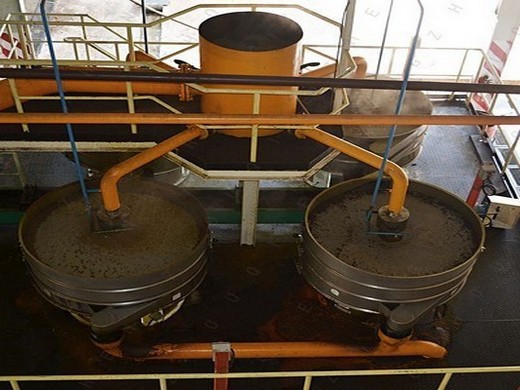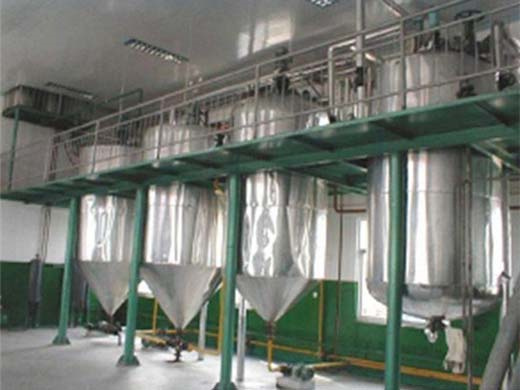
Canola oil
- Usage: Soybean Oil
- Type: production line
- Automatic Grade: Automatic
- Production Capacity: 1-600TPD
- Voltage: 380V/3 phase
- Power(W): According to your capacity
- Dimension(L*W*H): According to your capacity
- Weight: According to your capacity
- Certification: CE
Canola oil is a vegetable oil derived from a variety of rapeseed that is low in erucic acid, as opposed to colza oil.There are both edible and industrial forms produced from the seed of any of several cultivars of the plant family Brassicaceae, namely cultivars of Brassica napus L., Brassica rapa subsp. oleifera (syn. B. campestris L.), or Brassica juncea, which are also referred to as "canola".
Rapeseed Oil (Canola Oil): Uses, Benefits, and Downsides
- Usage:Edible oil
- Type:Edible oil production plant
- Automatic Grade:Automatic
- Production Capacity:5-500MT
- Voltage:380V
- Power(W):According to capacity
- Dimension(L*W*H):According to capacity
- Weight:According to capacity
- Certification:CE
- After-sales Service Provided:Engineers available to service machinery overseas
- Item:Edible oil production plant
- Supplier type:Manufacturer
- Manufacturing experience:40 years
- Steel type:MiId steel and SS
- Raw materials:Edible
- Fina product:Salad oil
- Processing method:Machanical press
- Handling capacity:5-20MT
- Model type:Continuous
- Main market:Africa, Aisa
Rapeseed, or canola, oil is widely used for cooking, baking, and food processing. This article reviews rapeseed oil, including its nutritional content, benefits, and potential downsides.
Canola Oil vs Vegetable Oil - Which one should I use?
- Usage: Sunflower Oil
- Type: Cold & Hot Pressing Machine, 200TPD Sunflower Oil production plant
- Automatic Grade: Automatic
- Production Capacity: 200TPD Crude Sunflower Oil Production Plant
- Model Number: QIYI-67 Crude Sunflower Oil Production Line
- Voltage: 380V,220V,420V
- Certification: CE,BV,ISO9001
- After-sales Service Provided: Engineers available to service machinery overseas
- Refining Method: Physical,Chemical
The short answer to canola oil vs vegetable oil: vegetable oils are made of lots of seed based plant ingredients, whereas canola oil is only made from the rapeseed plant. But there is a lot more to learn, which oil is better for my needs? Which is healthier? Can I use different cooking oils interchangeably? Find out!
Ranking the best canola oil of 2026 - BodyNutrition
- Usage:Edible oil
- Type:Edible oil production plant
- Automatic Grade:Automatic
- Production Capacity:5-500MT
- Voltage:380V
- Power(W):According to capacity
- Dimension(L*W*H):According to capacity
- Weight:According to capacity
- Certification:CE
- After-sales Service Provided:Engineers available to service machinery overseas
- Item:Edible oil production plant
- Supplier type:Manufacturer
- Manufacturing experience:40 years
- Steel type:MiId steel and SS
- Raw materials:Edible
- Fina product:Salad oil
- Processing method:Machanical press
- Handling capacity:5-20MT
- Model type:Continuous
- Main market:Africa, Aisa
Canola oil is a vegetable oil from the rapeseed plant that’s rich in monounsaturated and polyunsaturated fats, while being low in saturated fats. For theses reasons, it’s a popular industrial oil for cooking and frying thanks to its potential heart health benefits. Research has demonstrated that when people replace saturated fats in their diet with […]
Steps in Oil and Meal Processing - Canola Council of Canada
- Usage:Edible Oil
- Type:Cold & Hot Pressing Machine, Edible oill Plant
- Automatic Grade:Automatic
- Production Capacity:30TPD Edible oill Plant
- Voltage:380V
- Power(W):Based on Edible oill Plant capacity
- Dimension(L*W*H):Based on Edible oill Plant capacity
- Weight:Based on Edible oill Plant capacity
- Certification:CE,BV,ISO9001
- After-sales Service Provided:Engineers available to service machinery overseas
- Process:Prepress, Extraction,Refining
- Refining Process:Degumming,Deacidification,Deordorization,Decolorization,Dewaxing,etc
- Material:Stainless,Carbonless Steel
- Oil Quality:Equals to EU Standard
- Raw Material:Edible,Edible,Cotton,Edible,etc
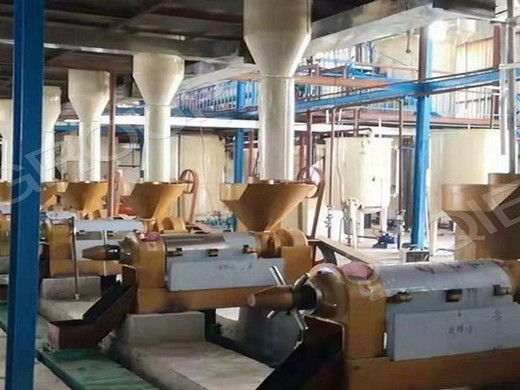
The final step in refining any type of vegetable oil is deodorization. Steam distillation removes any compounds that could give the oil an unpleasant odour or taste. At this point, the canola oil is ready to be packaged and sold as a cooking oil, or further processed into other products. Further processing
Top 10 Canola Producing Countries in the World 2026
Top 10 Canola Producing Countries in the World 2026 General By Hina Khan November 22, 2026 The growing use of vegetable oil all over the world has given rise to the production of Canola oil.
GET PRICE
So THAT's What Canola Oil Is Actually Made Of | HuffPost Life
It was created by Canadians. In fact, the word canola is a combination of the words “Canadian” and “oil.” Prior to the production of canola, Canada imported most of its cooking oil, which is what inspired their development of this plant.
GET PRICE
Canola Oil Nutrition Facts: Pros, Cons & What You Need to Know
Here are some of my favorite canola oil nutrition facts that will help you decide if you want to use canola oil in your cooking. Canola Oil Nutrition Facts: the Pros and Cons of Canola Oil. Professor Andrew Paterson, director of UGA’s Plant Genome Mapping Laboratory and co-corresponding author for the study said,
GET PRICE
How It`s Made: Vegetable Oil
A vegetable oil is a triglyceride extracted from a plant. The term "vegetable oil" can be narrowly defined as referring only to plant oils that are liquid at room temperature, or broadly defined
GET PRICE
Canola Oil Plants, Canola Oil Plants Suppliers
There are 1,249 canola oil plants suppliers, mainly located in Asia. The top supplying countries or regions are China, United Kingdom, and India, which supply 96%, 1%, and 1% of canola oil plants respectively. Canola oil plants products are most popular in Domestic Market, South Asia, and Southern Europe.
GET PRICE
Canola Association
U.S. Canola Association. The U.S. Canola Association (USCA) is a non-profit commodity organization whose mission is to increase domestic canola production to meet growing demand for healthy oil and meal.It promotes the establishment and maintenance of conditions favorable to growing, marketing, processing and using U.S. canola.
GET PRICE
The Biology of Brassica napus L. (canola)
current canola standards, had been grown in Australia from the early 1960’s. Canola is grown primarily for its seeds, which yield between 35 % to over 45 % oil. Its main use is as cooking oil, but it is also commonly used in margarine. Canola meal is produced as a by-product during extraction of oil from canola seed and is widely used
GET PRICE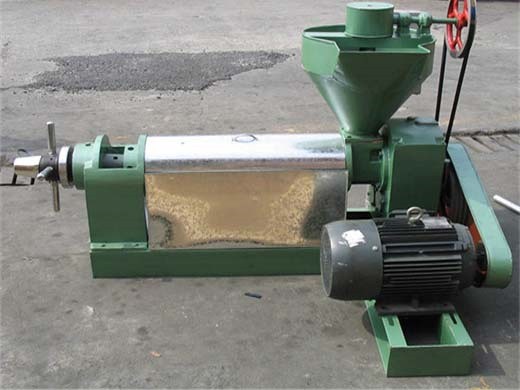
Canola cooking oil - the scary truth and why you should
Canola cooking oil: The scary truth and why you should stop using it.peanut oil comes from peanuts and canola oil comes from … rapeseed. The plant known as “rape,” from a Latin word for “turnipcan negatively affect our health—just look at the processes it goes through in production! Considering soybean and canola oil contain
GET PRICE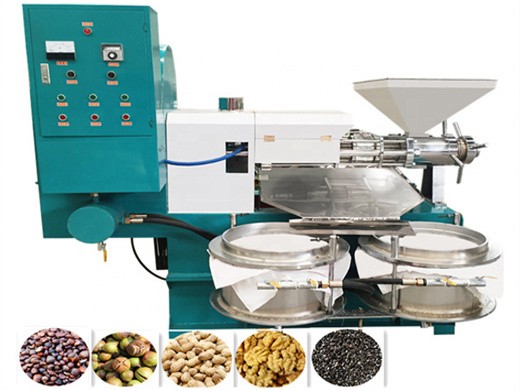
Canola Oil Vs. Vegetable Oil: A Definitive Comparison
Canola Oil Canola is actually an acronym for Canadian oil, low acid. Canadian plant breeders developed canola in the early 1970s, by using conventional plant breeding methods on rapeseed, which is a plant that belongs to the family of mustard, turnips, radish, and other similar plants.
GET PRICEVegetable oil
Vegetable oils are also used to make biodiesel, which can be used like conventional diesel.Some vegetable oil blends are used in unmodified vehicles but straight vegetable oil, also known as pure plant oil, needs specially prepared vehicles which have a method of heating the oil to reduce its viscosity.The use of vegetable oils as alternative energy is growing and the availability of biodiesel
GET PRICE
The 10 Healthiest and Least Healthy Oils to Cook With | Time
Canola oil is derived from rapeseed, a flowering plant, and contains a good amount of monounsaturated fats and a decent amount of polyunsaturated fats. Of all vegetable oils, canola oil tends to
GET PRICE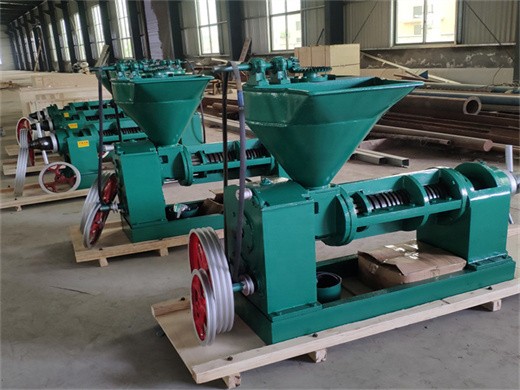
Canola Production Technology and Cultivation | Bakhabar Kissan
Canola oil is one of the healthiest and most affordable oils available for cooking and the canola meal remaining after oil extraction is an important source of high-protein meal for livestock feed. USES AND NUTRITIOUS VALUE. Canola oil is rich in energy; 100 g of oil provides 884 calories.
GET PRICE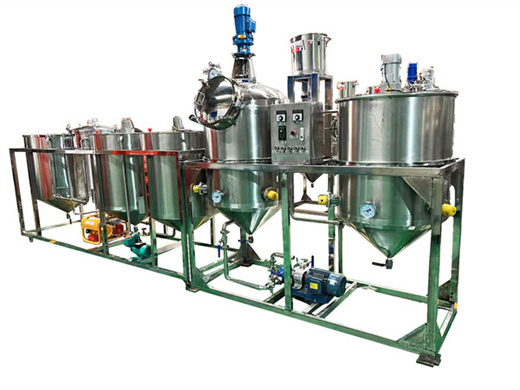
Industry Overview - Canola Council of Canada
Exports fuel the canola industry. Canada exports more than 90% of its canola as seed, oil or meal to 50 markets around the world, bringing billions of dollars into Canada. The biggest buyer of canola oil and meal is the United States, accounting for about 52% of oil exports and 69% of meal exports in 2026.
GET PRICE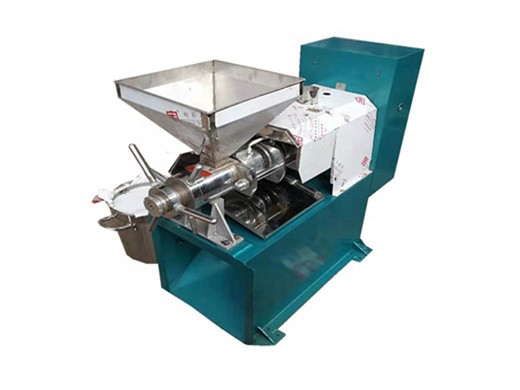
Canola Oil: Harmful Cooking Oil - Processed Vegetable Oil
Canola oil is a staple in most homes, especially in North America. The fatty acid make-up of the oil appear to make it ideal for cooking and is said to have health benefits due to its high level of monounsaturated fats (61%) and low level of saturated fats (7%).
GET PRICE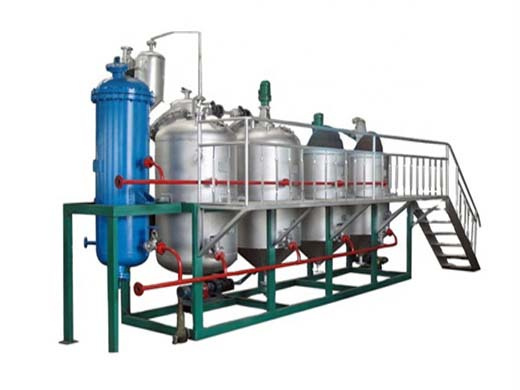
Canola Facts - Softschools
Canola seed consist of oil (more than 40%) and meal. Canola oil is composed of monounsaturated fatty acids (that are able to decrease "bad", LDL cholesterol in human body) and omega-3 fatty acids (that act beneficially on the heart). It takes around 50 pounds of canola seed for the extraction of 10 liters of oil. Canola oil is used for cooking
GET PRICE