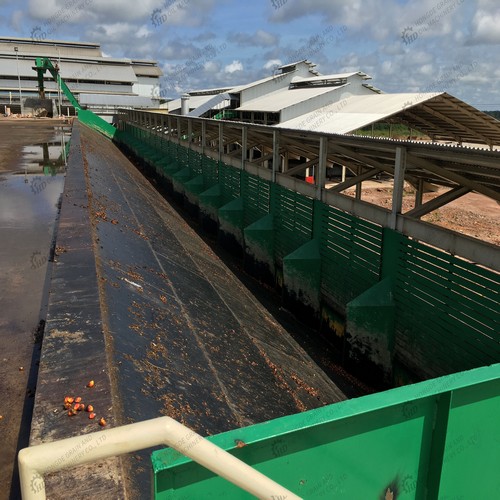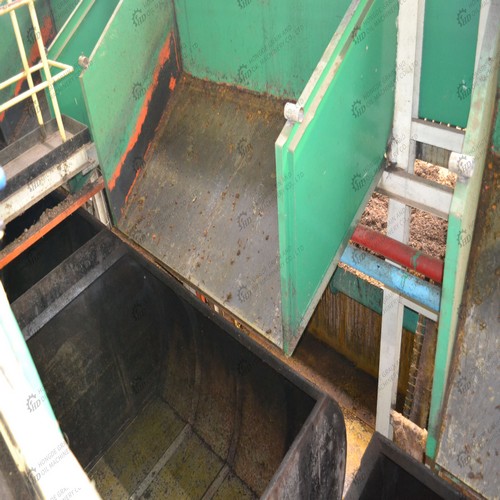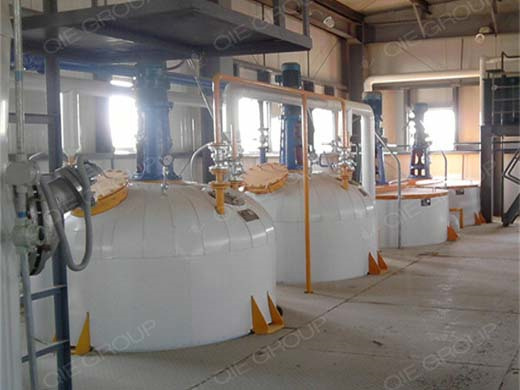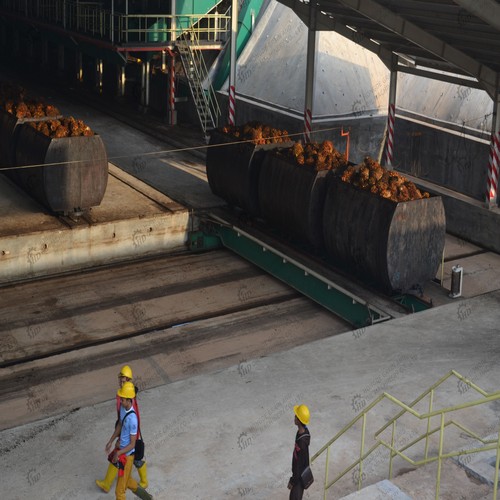
Overview of Biomass Utilization in Thailand
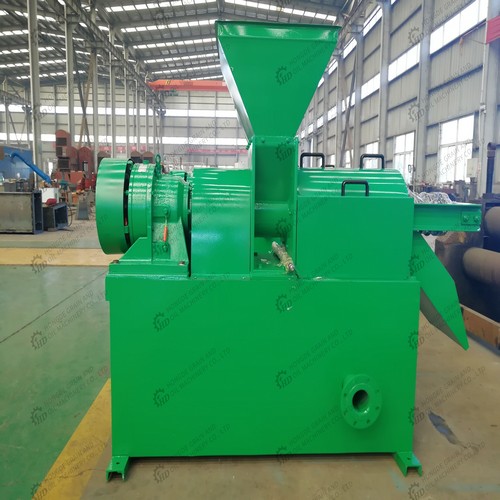
- Usage:Palm Oil
- Type:Cold & Hot Pressing Machine, Palm Oil Refinery Plant
- Automatic Grade:Automatic
- Production Capacity:30TPD Palm Oil Refinery Plant
- Voltage:380V
- Power(W):Based on Palm Oil Refinery Plant capacity
- Dimension(L*W*H):Based on Palm Oil Refinery Plant capacity
- Weight:Based on Palm Oil Refinery Plant capacity
- Certification:CE,BV,ISO9001
- After-sales Service Provided:Engineers available to service machinery overseas
- Process:Prepress, Extraction,Refining
- Refining Process:Degumming,Deacidification,Deordorization,Decolorization,Dewaxing,etc
- Material:Stainless,Carbonless Steel
- Oil Quality:Equals to EU Standard
- Raw Material:Rapeseed,Palm Kernel,Palm,Cotton,Palm,Peanut,Rice Bran,etc
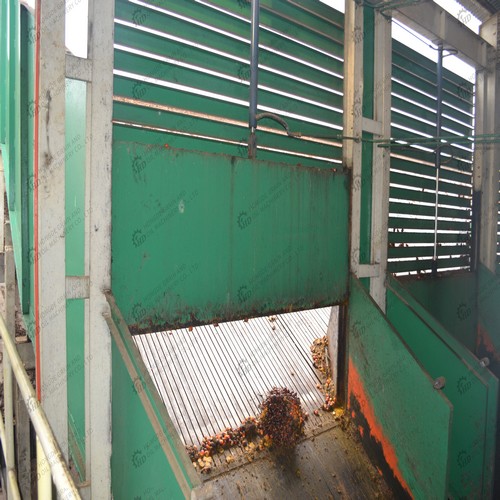
Four major sources of biomass in Thailand are sugar cane, rice, oil palm and wood wastes which yield a total potential of nearly 80 million tons per year. At present, agro-industry is an important source of the biomass due to a large-scale production and expedience collection such as rice mills, sugar mills, and oil palm mills.
Palm Oil Biomass | BioEnergy Consult
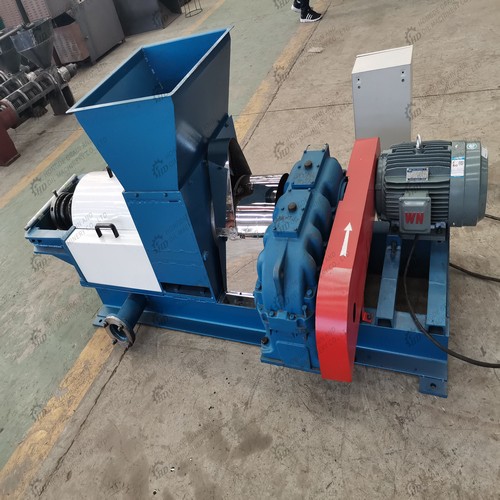
- Usage:Palm Oil, Small Scale Palm Oil Refinery Machine
- Type:Cold & Hot Pressing Machine, 50TPD Small Scale Palm Oil Refinery Machine
- Automatic Grade:Automatic
- Production Capacity:5-100T Small Scale Palm Oil Refinery Machine
- Voltage:380V
- Certification:ISO9001
- After-sales Service Provided:Engineers available to service machinery overseas
- Control system:Automatic
- Operation:Mechanized operation
- Matetial:Stainless Steel
- Raw Material:Palm,etc.
- Color:Siver
Liquid effluents from palm oil mills can be anaerobically converted into biogas which in turn can be used to generate power through gas turbines or gas-fired engines. Conclusions. Most of the Biomass residues from Palm Oil Mills are either burnt in the open or disposed off in waste ponds.
Biomass Energy in Thailand | BioEnergy Consult
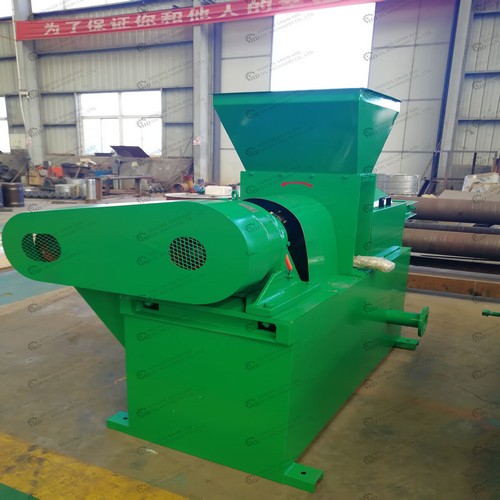
- Usage:Palm Oil
- Type:Cold & Hot Pressing Machine, Palm Oil Refinery Equipment
- Automatic Grade:Automatic
- Production Capacity:50TPD Palm Oil Refinery Equipment
- Voltage:380V
- Power(W):Based On Palm Oil Refinery Equipment Capacity
- Dimension(L*W*H):Based On Palm Oil Refinery Equipment Capacity
- Weight:Based On Palm Oil Refinery Equipment Capacity
- Certification:ISO9001
- After-sales Service Provided:Engineers available to service machinery overseas
- Raw Material:Vegetable Oil Suitable for Palm,Peanut,Palm Kernel,Palm
- Material:Stainless and Carbonless Steel
- Pretreatment Process:Cleaning,Hulling,Breaking,Soften,Flaking,Puffing,Toasting
- Cooking Oil Machinery Process:Pre-treatment,Solvent Extraction,Refining
- Solvent Extraction Process:DTDC,Miscella Toasting and Stripping,Solvent Collecting,etc
- Service:Engineer Abroad Erection
- Refining Process:Degumming,Deacidification,Deordorization,Decoloration,etc
- Process Capacity:30-500TPD
- Packing:Frame and Container
The major biomass resources in Thailand include the following: Woody biomass residues from forest plantations; Agricultural residues (rice husk, bagasse, corn germ cobs, etc.) Wood residues from wood and furniture industries (bark, sawdust, etc.) Biomass for ethanol production (cassava, sugar cane, etc.) Biomass for biodiesel production (palm oil
Biogas Production from Biomass Residues of Palm Oil Mill
- Usage:Palm Oil, Palm Cooking oill Plant
- Type:Cold & Hot Pressing Machine, Palm Cooking oill Plant Plant
- Automatic Grade:Automatic
- Production Capacity:5-600TPD
- Voltage:380V
- Certification:ISO9001
- After-sales Service Provided:Engineers available to service machinery overseas
- Working mode:Automatic oill Production
- Final Product:RBD Palm Kernel Oil
- Refining process:Degumming,Decolorization,Deodorization,etc
Three biomass residues from palm oil mill plant including empty fruit bunches (EFB), palm press fiber (PPF) and decanter cake (DC) were evaluated for methane production by solid state anaerobic digestion. Oil palm biomass was mixed with inoculum at F/I ratio of 2:1, 3:1, 4:1, 5:1 and 6:1 based on the volatile solid (VS).
Increasing power generation with enhanced cogeneration
- Usage:palm oill Production machinery
- Type:Cold & Hot Pressing Machine
- Automatic Grade:Automatic
- Production Capacity:95%
- Voltage:380V
- Power(W):changed with the capacity
- Dimension(L*W*H):changed with the capacity
- Weight:changed with the capacity
- Certification:CE BV ISO
- After-sales Service Provided:Engineers available to service machinery overseas
- Solvent:n-hexane
- Raw Material:Various of oil seeds
- Operating:easy operating
challenges of utilizing the oil palm biomass for decentral-ized electricity generation and indicated that the three palm oil leaders Indonesia, Malaysia, and Thailand had the potential to produce 8000, 5000, and 500 GWh, re-spectively, through high-pressure modern power plants. Mahlia et al. [8] conducted a study on the feasibility of
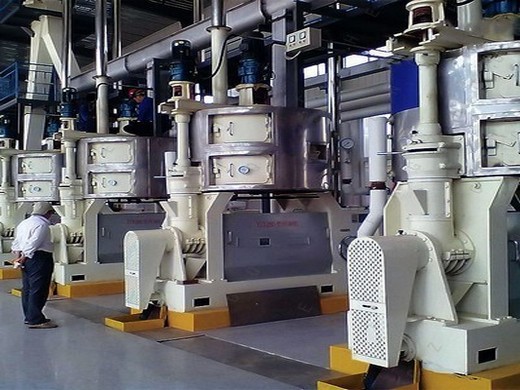
Biomass in Southeast Asia | BioEnergy Consult
Woody biomass is a good energy resource due to presence of large number of forests in Southeast Asia. Apart from natural forests, non-industrial plantations of different types (e.g. coconut, rubber and oil palm plantations, fruit orchards, and trees in homesteads and gardens) have gained recognition as important sources of biomass.
GET PRICE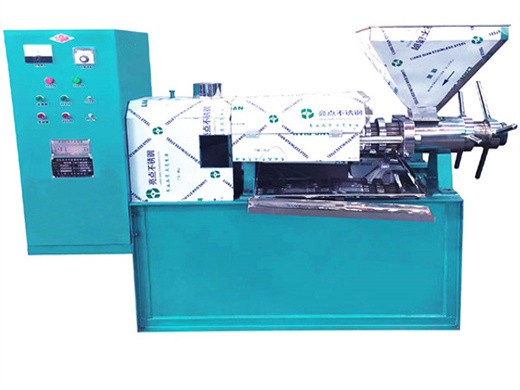
Biomass Wastes from Palm Oil Mills | BioEnergy Consult
Liquid effluents from palm oil mills can be anaerobically converted into biogas which in turn can be used to generate power through gas turbines or gas-fired engines. Conclusions. Most of the Biomass residues from Palm Oil Mills are either burnt in the open or disposed off in waste ponds.
GET PRICE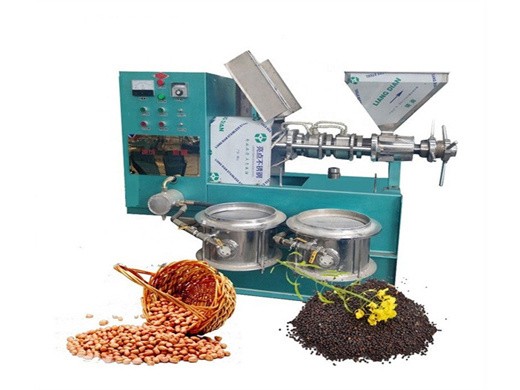
Biomass Energy Outlook for Southeast Asia | Blogging Hub
Southeast Asian region is a big producer of wood and agricultural products which, when processed in industries, produces large amounts of biomass residues. The amount of biomass residues generated from sugar, rice and palm oil mills is more than 200-230 million tons per year which corresponds to cogeneration potential of 16-19 GW.
GET PRICE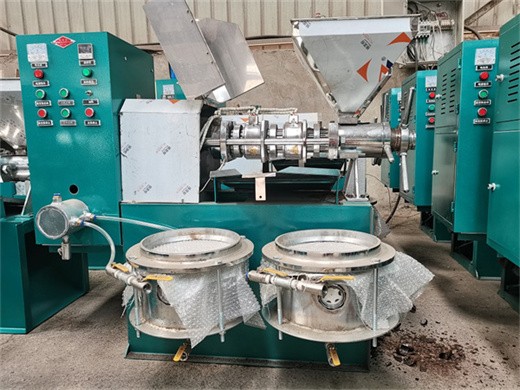
The Oil Palm Wastes in Malaysia - InTech - Open
boiler in palm oil mill. At present, PKS and MF wastes are used extensively as fuel for steam production in palm-oil mills. EFB is a resource which has huge potential to be used for power generation, currently not being utilized. The application of shells for road hardening
GET PRICE
Prasertsan et al., 1996. Biomass and Bioenergy, 11 (5
Prasertsan, S. ; Prasertsan, P., 1996. Biomass residues from palm oil mills in Thailand: An overview on quantity and potential usage. Biomass and Bioenergy, 11 (5): 387–395
GET PRICE
Overview of the Biomass Utilization in Thailand
Overview of the Biomass Utilization in Thailand Asst. Prof. Dr. Pomthong Malakul Cleaner Technology Advancement Program (CTAP),Overview of the biomass utilization inThailand 3 Country Information Area 320 million raiFresh fruit bunches from oil palm " Residue from palm oil mills Fiber from fruit
GET PRICE
Using biomass residues from oil palm- SpringerLink
Oil palm industries produce an enormous quantity of lignocellulosic biomass; in the form of large leaves of palm tree, pruned fronds (OPF) and oil palm trunks (OPT) at the plantations site. Besides this, the processing of fresh fruit bunches in the oil mills generates empty fruit bunches (EFB), shells, kernel cake and mesocarp fibers.
GET PRICE
PT. Indonesia Arang Emas Internasional - Palm Kernel Shell
Palm Kernel Shells (PKS) are the byproducts of Palm Oil mills.This Palm Oil industry production residue has becoming an alternative renewable energy biomass fuel resource. PKS contains lower moisture level compared to other biomass residues and also contains the residue of Palm Oil which is resulting a slightly higher amount of heat released during the combustion.
GET PRICE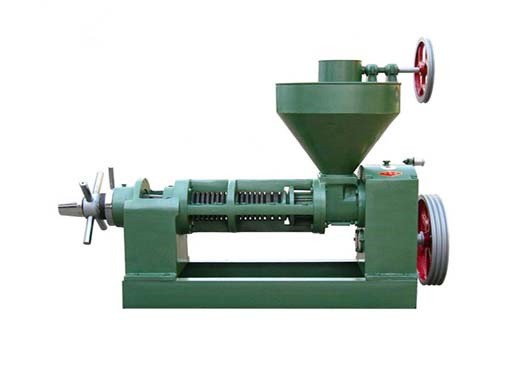
Oil palm biomass residue in Malaysia: Availability
The returned biomass from pruning activity will be higher by increasing the age of oil palm plantation. The pruning activity generates average dry weight of 9.8 to 14 t/ha/year in Malaysia for oil
GET PRICE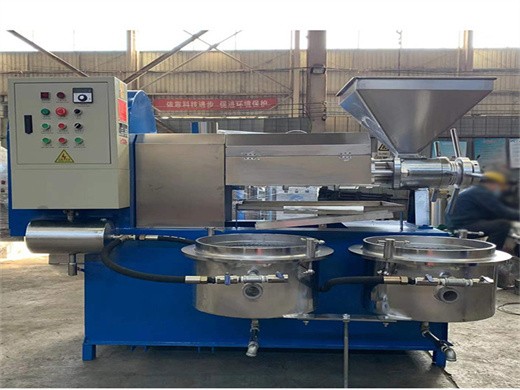
Management of biomass residues generated from palm oil
To deal with these problems, vermicomposting of palm oil mill waste may be a sustainable waste management option. There are number of researches going on management of biomass residues from palm oil mill, but very few works are going on vermicomposting of these agro-industrial waste.
GET PRICE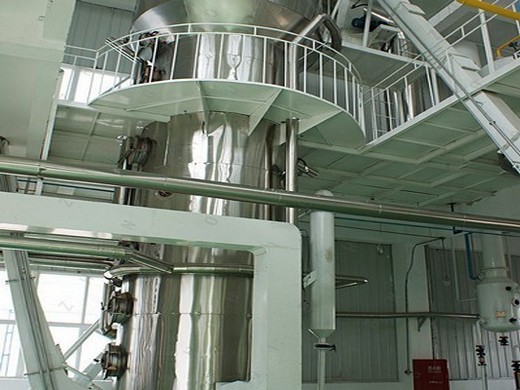
Bioenergy Potential in Thailand | Blogging Hub
These estimations are primarily made from biomass waste from the extraction part of agricultural activities, and for large scale agricultural processing of crops etc. – as for instance saw and palm oil mills – and do not include biomass wastes from SMEs in Thailand.
GET PRICE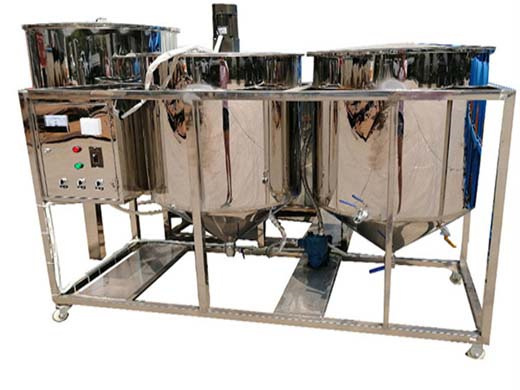
Analysis of biomass-residue-based cogeneration system
Abstract Palm oil mills in Malaysia operate on cogeneration system using biomass residue as fuel in the boiler. The boiler produces high pressure and temperature steam which expands in a backpressure steam turbine and produces enough electric power for the internal needs of the mill.
GET PRICE
Product Recovery from Palm Oil Mill Residues
Product Recovery from Palm Oil Mill Residues for Renewable Energy and Utilization.biomass residues from the palm oil mill industry inBiomass residues from palm oil mills in Thailand: An
GET PRICE
Energetic Use of Palm Oil Residues in Indonesia and Thailand
Energetic Use of Palm Oil Residues in Indonesia and Thailand One of the key measures for climate change mitigation is the energetic use of biomass. According to the Inter-national Energy Agency (IEA) the share of bioenergy in global primary energy supply could sustainably increase from currently 10% to 33% in 2050. Vast resources in
GET PRICE